
Three Thousand Traps Fewer: A Season in the Sulcis Woods
Three thousand traps fewer in the woods of Sulcis: that was the result of a single season of joint anti-poaching work in south-west Sardinia — one of the most concrete victories of the Leaving is Living campaign.
The Sulcis: a poaching hotspot
The Sulcis region, with its dense holm-oak forests and migrating flocks funnelled along the coast, has long been a black spot for illegal trapping. Snares for thrushes, nets for finches and even traps for wild boar were set every autumn in huge numbers.
Anything caught in these devices died slowly — and protected species, from robins to raptors, made up a large share of the victims.
How 3,000 traps were removed
Forest guards, LIPU volunteers and dog units patrolled the woods systematically, following tip-offs and mapping known trapping sites. Every snare, net and cage found was removed and recorded as evidence for prosecution.
The count at the end of the season — around 3,000 traps — represented thousands of birds saved, and a body of evidence that brought several poachers before the courts.
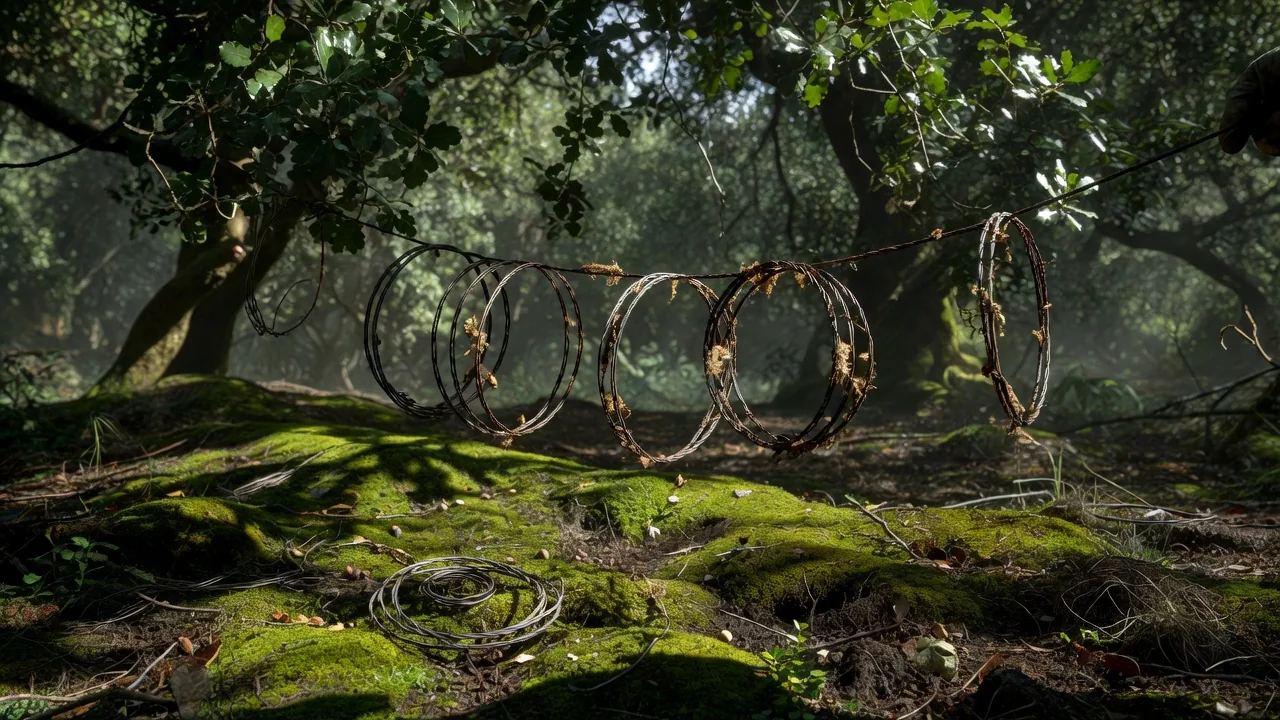
Traps found in the Sulcis woods
| Trap type | Target | Impact on birds |
|---|---|---|
| Wire snares | Thrushes, small mammals | Strangulation, slow death |
| Mist nets | Songbirds | Mass capture, exhaustion |
| Snap traps | Finches, rodents | Crushing injuries |
| Ungulate snares | Wild boar, deer | Birds caught as bycatch |
Lessons from a successful season
- Joint patrols — rangers, police and volunteers — cover far more ground.
- Dog units find camouflaged traps that human eyes miss.
- Mapping repeat sites lets patrols return before traps are re-set.
- Prosecutions based on collected evidence deter future offenders.
The work continues in 2026
Removing traps once is not enough: poachers return when patrols stop. The Sulcis operation became a template for continuous anti-poaching presence across the Mediterranean, proving that persistence in the field turns campaign slogans into living birds.