
Changes in Ecosystems and New Bird Species in the 2024 Red Book
The Red Book's latest edition brings significant updates to the conservation status of bird species, highlighting the ongoing changes in ecosystems worldwide. Shifting ecosystems — driven by climate change, habitat destruction and human activity — have pushed new species onto the endangered list.
The role of ecosystem changes
Ecosystems across the globe are undergoing rapid transformations due to climate change, urbanisation, deforestation and industrialisation. These shifts are drastically affecting the habitats that birds rely on for survival.
As forests are cleared for agriculture, wetlands drained and natural landscapes replaced with artificial environments, birds are losing crucial nesting and feeding grounds. The resulting loss of biodiversity threatens not only individual species but entire ecosystems.
Climate change is one of the most significant drivers. Rising global temperatures alter weather patterns, which in turn affect bird migration routes, breeding seasons and food availability. Some species relocate to more favourable areas, while others fail to adapt.
New bird species in the Red Book
Several bird species have been newly listed due to the combined effects of habitat loss, climate change and other human-induced pressures. They come from diverse habitats — forests, grasslands, mountains and coastal regions.
Coastal birds affected by sea level rise
Birds that depend on coastal ecosystems such as marshlands and mangroves are particularly vulnerable. The Black-winged Stilt and the Kentish Plover, both nesting on low shores, are losing breeding grounds as saltwater encroaches, and their populations are declining rapidly.
Mountain birds facing habitat fragmentation
As temperatures rise, mountain species are forced to move to higher altitudes in search of cooler climates — but there is a limit to how far they can go. The Snow Partridge, native to high-altitude regions, has been listed due to habitat fragmentation and shrinking alpine zones.
Forest birds threatened by deforestation
Tropical and temperate forests are being destroyed at an alarming rate, primarily due to logging and agricultural expansion. The Spix's Macaw, native to the Brazilian caatinga, is critically endangered, and its listing underlines the urgency of protecting remaining forest habitat.
Wetland birds suffering from pollution and drainage
Pollution, water diversion and drainage for agriculture have severely impacted wetland ecosystems. The Lesser Flamingo, which inhabits saline lakes, is declining as water quality falls and its habitat shrinks.
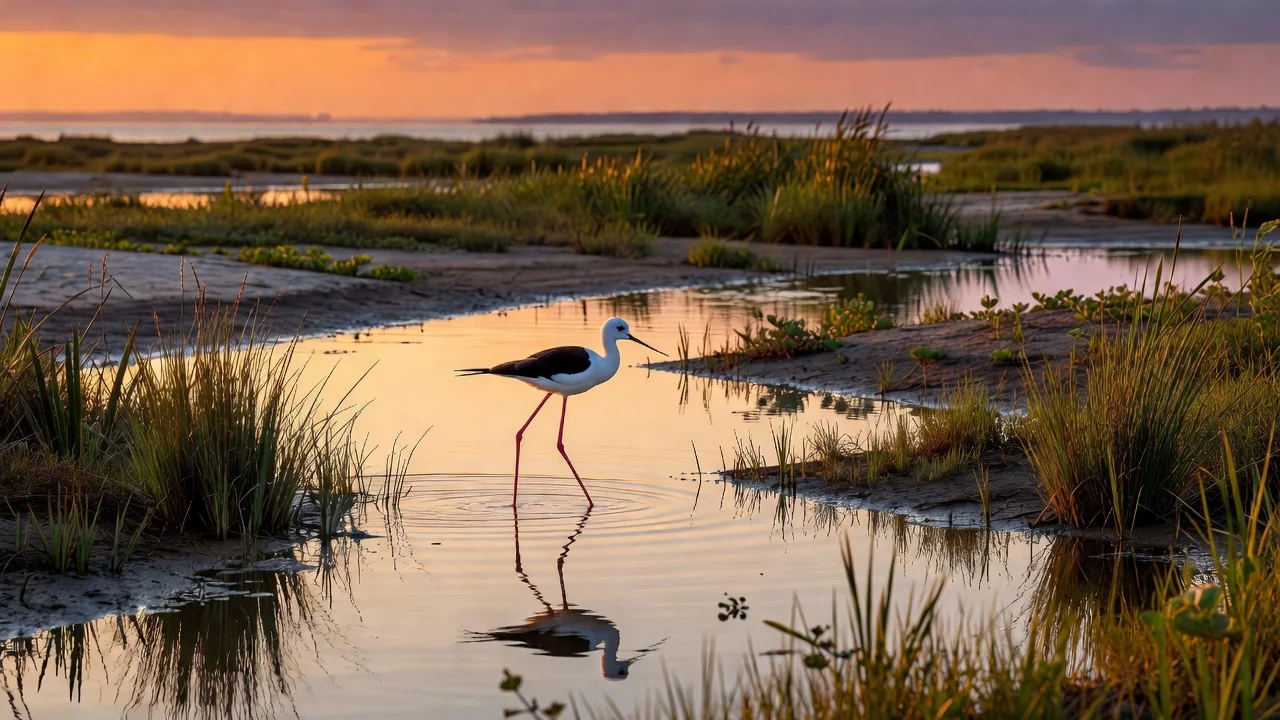
Newly listed species and their threats
| Species | Habitat | Key threat | Trend |
|---|---|---|---|
| Black-winged Stilt | Coastal marshes | Sea level rise | Declining |
| Kentish Plover | Sandy shores | Habitat submersion | Declining |
| Snow Partridge | High alpine zones | Fragmentation, warming | Declining |
| Spix's Macaw | Tropical dry forest | Deforestation | Critically endangered |
| Lesser Flamingo | Saline lakes | Pollution, drainage | Declining |
Conservation efforts and future outlook
The inclusion of new species underscores the need for immediate and sustained conservation. Governments, NGOs and local communities are working to protect critical habitats and address root causes, from climate mitigation to stricter land-use regulation.
- Establishing new protected areas and restoring degraded habitats.
- Using technology — satellites, drones and acoustic sensors — to monitor populations.
- Running breeding and reintroduction programmes for critically endangered species.
- Raising public awareness so that conservation gains broad support in 2026 and beyond.
There is hope: success stories such as the recovery of the Bald Eagle in North America demonstrate that with the right measures it is possible to reverse the decline of bird populations and restore balance to ecosystems.