Wild Birds of the Mediterranean Under Threat: Who Protects Them and How
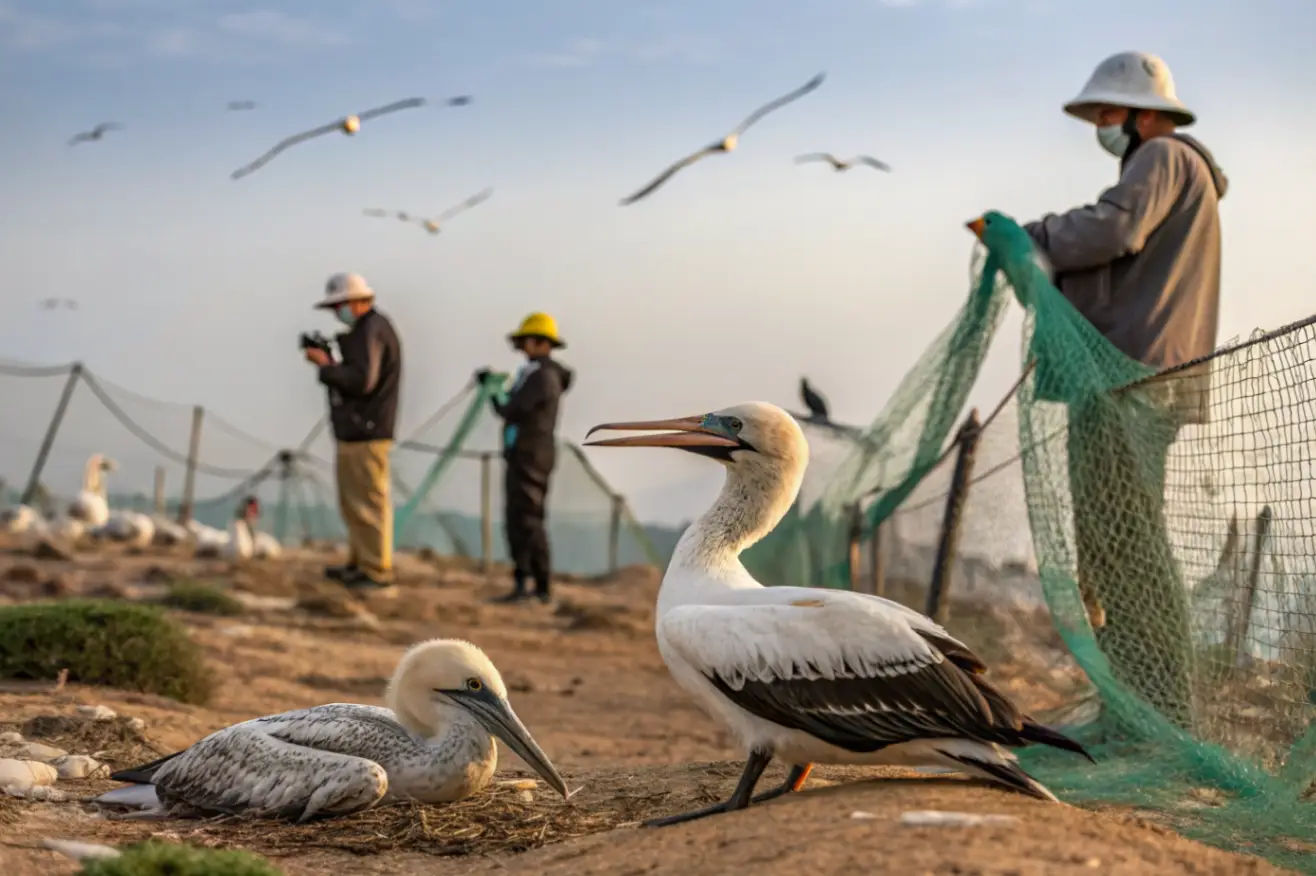
The Mediterranean basin is one of the richest bird regions on the planet. Wetlands, rocky coasts, scrublands, mountain forests and open sea create a mosaic of habitats that sustain millions of resident and migratory birds. Twice a year, vast numbers cross this narrow corridor between Europe, Africa and Asia. Yet behind this natural abundance lies a harsher reality: many Mediterranean wild birds are in decline. Habitat loss, illegal hunting, pollution and climate change are eroding ecosystems that took millennia to form. Protection efforts exist at local, national and international levels, but the pressure on bird populations remains intense.
Why Mediterranean Birds Are Especially Vulnerable
The Mediterranean is not just a sea; it is a migration bottleneck. Raptors soar over the Strait of Gibraltar, storks funnel through the Bosporus, and small passerines cross from North Africa to southern Europe in exhausting non-stop flights. This geographic concentration makes birds easier to observe — and easier to exploit.
Human density around the Mediterranean coast is among the highest in the world. Urban sprawl replaces wetlands. Intensive agriculture fragments steppe habitats. Tourism infrastructure alters coastal breeding sites. Traditional small-scale land use once supported biodiversity; modern intensification often does not.
Climate change compounds the problem. Rising temperatures shift insect availability, disrupt breeding timing, and increase wildfire frequency. Prolonged drought affects wetlands critical for species such as herons and flamingos. Meanwhile, marine birds face declining fish stocks and plastic contamination.
Illegal killing remains a persistent threat in several countries. Songbirds are trapped during migration, raptors are shot, and protected species are sometimes poisoned unintentionally through the misuse of agricultural chemicals.
The main pressures on Mediterranean bird populations include:
-
Habitat destruction and coastal development.
-
Illegal hunting and trapping along migration routes
-
Agricultural intensification and pesticide use.
-
Wetland drainage and water mismanagement.
-
Climate change and increasing wildfire frequency.
-
Marine pollution and overfishing.
Each of these pressures interacts with the others, creating cumulative effects that are difficult to reverse.
Species at the Center of Concern
Some Mediterranean birds have become symbols of conservation struggles. The Northern Bald Ibis, once widespread, survives in fragile reintroduced colonies. The Audouin’s Gull, endemic to the region, depends on safe nesting islands and sustainable fisheries. The Egyptian Vulture, a long-distance migrant, faces poisoning and electrocution along power lines.
Wetland species such as the Marbled Duck and Ferruginous Duck are highly sensitive to water management practices. Steppe birds like the Little Bustard decline as traditional grazing landscapes disappear. Seabirds, including Cory’s Shearwater and Scopoli’s Shearwater, are vulnerable to bycatch in longline fisheries and plastic ingestion.
Conservation strategies must therefore be species-specific while also addressing broader ecosystem health.
Who Protects Mediterranean Wild Birds
Protection of Mediterranean birds operates across multiple layers of governance and civil society. International frameworks provide legal foundations, while NGOs and local communities implement practical measures on the ground.
At the supranational level, the European Union Birds Directive and the Natura 2000 network designate Special Protection Areas across member states. The Barcelona Convention addresses marine environmental protection. The African-Eurasian Migratory Waterbird Agreement coordinates action across continents, recognizing that migratory birds require cross-border solutions.
National governments enforce hunting regulations, establish protected areas and manage wetlands. In some countries, enforcement has strengthened in recent years, with increased penalties for illegal trapping and improved monitoring of migration hotspots.
Non-governmental organizations play a decisive role. BirdLife International and its national partners conduct population monitoring, habitat restoration and advocacy campaigns. Local conservation groups often lead anti-poaching patrols and awareness programs in rural communities. Marine NGOs collaborate with fisheries to reduce bycatch through modified gear and seasonal closures.
Community involvement is increasingly recognized as essential. Farmers participating in agri-environment schemes maintain hedgerows and low-intensity grazing. Ecotourism initiatives provide economic alternatives to illegal hunting. Education programs reshape cultural attitudes toward migratory birds.
Key Conservation Instruments and Their Roles
Before examining effectiveness, it is useful to compare the main conservation mechanisms operating in the Mediterranean region.
| Conservation Instrument | Geographic Scope | Main Focus | Practical Impact |
|---|---|---|---|
| EU Birds Directive | European Union | Legal protection of wild birds and habitats | Creation of Special Protection Areas, hunting regulation |
| Natura 2000 Network | EU Member States | Habitat conservation | Long-term site management and biodiversity monitoring |
| AEWA (African-Eurasian Migratory Waterbird Agreement) | Europe, Africa, parts of Asia | Migratory waterbird conservation | Coordinated action plans across migration routes |
| National Protected Areas | Individual countries | Species and habitat protection | On-the-ground habitat preservation and enforcement |
| NGO-Led Anti-Poaching Campaigns | Regional and local | Illegal hunting reduction | Patrols, awareness, reporting systems |
This comparison shows that conservation operates simultaneously at policy and field levels. International agreements create obligations, but implementation determines real outcomes. Without monitoring, enforcement and local engagement, even the strongest legal frameworks remain symbolic.
How Protection Works in Practice
In wetland restoration projects, water regimes are carefully adjusted to mimic natural flooding cycles. Reeds are managed to prevent overgrowth, and invasive species are removed. In steppe regions, conservationists work with shepherds to maintain grazing patterns that preserve open habitats.
At migration bottlenecks, volunteer observers record bird numbers to detect trends. Data gathered over decades allow scientists to assess population health and advocate for targeted interventions. In some high-risk areas, coordinated surveillance has significantly reduced illegal trapping.
Technological tools are increasingly integrated into conservation. Satellite tagging reveals migration routes and mortality hotspots. Drones monitor remote nesting cliffs. Acoustic sensors detect gunshots in protected reserves. These innovations enhance enforcement and scientific understanding.
Marine conservation has also evolved. Modified fishing hooks reduce seabird bycatch. Night setting of longlines minimizes accidental capture. Awareness campaigns among fishers highlight the economic and ecological benefits of sustainable practices.
However, protection is uneven across the Mediterranean. Political instability, limited funding and weak governance undermine efforts in certain regions. Conservation success often depends on long-term commitment rather than short funding cycles.
Measuring Success and Remaining Challenges
There are tangible successes. Some wetland bird populations have stabilized where habitat restoration was sustained. Audouin’s Gull colonies expanded after targeted management. Anti-poaching initiatives in parts of the eastern Mediterranean led to measurable declines in illegal trapping.
Yet broader trends remain concerning. Climate projections suggest increased aridity in southern Europe and North Africa, threatening water-dependent species. Urban expansion continues along coasts. Marine ecosystems face cumulative stress from warming waters and pollution.
Conservation must therefore move beyond reactive protection. Landscape-scale planning, integration of biodiversity into agricultural policy, and climate adaptation strategies are necessary. Cross-border cooperation is not optional but fundamental for migratory species.
The Mediterranean has always been a crossroads of civilizations. Today it is also a test case for international environmental governance. The fate of its wild birds depends on whether ecological responsibility can match economic and political pressures.
Conclusion
Wild birds of the Mediterranean are under real and measurable threat, but they are not without defenders. Governments, international agreements, scientists, NGOs and local communities all contribute to their protection. The challenge lies not in the absence of frameworks, but in ensuring consistent enforcement, long-term funding and public engagement. If conservation efforts remain coordinated and science-based, the Mediterranean can continue to serve as one of the world’s great migratory corridors rather than a shrinking refuge.