
Birdwatching Basics: What You Need to Start
Birdwatching has a reputation for being complicated and expensive, and neither is really true. You can begin with nothing more than a pair of eyes, a little patience and somewhere worth standing. Everything else can be added slowly, as your interest grows.
This article covers what you actually need to start watching birds, and what can wait. The short version is that the gear matters far less than the habit of looking carefully. Everything else in this guide is optional.
You need less than you think
The only real requirement is a willingness to stop and pay attention. Birds are present almost everywhere, from city parks to coastal paths and even garden hedges. Once you begin noticing them, the interest tends to look after itself.
Many people delay starting because they feel they lack the right equipment. That is a mistake, because the best way to learn what you need is to spend time in the field first. Watching with your own eyes teaches you what your gear should help you do.
Choosing a first pair of binoculars
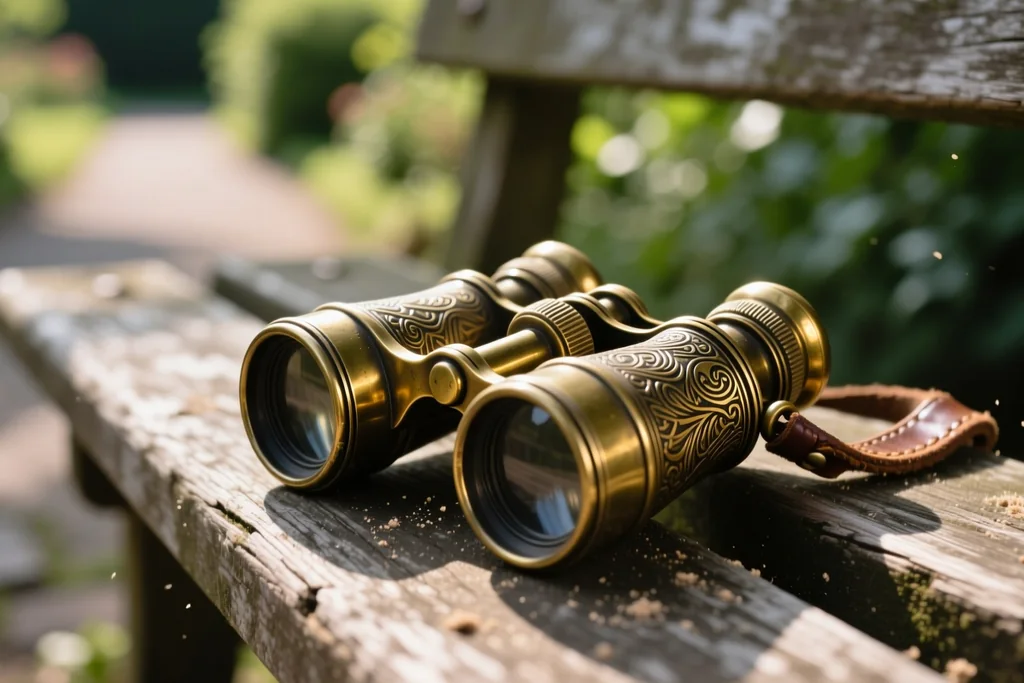
Binoculars are the one piece of kit that transforms birdwatching, because they let you see detail from a distance. A modest, comfortable pair is far better than an expensive one you find awkward. Buy the best you can afford, but do not let the choice stall your start.
Visit a shop if you can and try several pairs in your hands, since fit matters as much as the specification. Heavier is not better, and comfort beats numbers for a beginner. A pair you enjoy carrying will be used far more often.
A field guide or an app
You will also need some way to check what you have seen, and this is where a field guide or a phone app earns its place. Both show the species likely in your area, with the key marks that separate similar birds. The best guide is the one you will actually open.
Do not try to memorise everything at once, because that leads to frustration. Learn a few common species well and let the list grow naturally with each outing. Familiarity with the locals makes every new bird easier to place.
Clothing and comfort
Birdwatching often means standing still in cold, damp or breezy places, so quiet, weatherproof clothing matters. Muted colours help you blend in and disturb birds less. Comfortable footwear is worth more than any clever gadget.
A small notebook or a phone for notes saves sightings that would otherwise be forgotten. Details written down on the day become the raw material of your growing skill. Memory alone is a poor record-keeper.
Where to begin watching
Start close to home, because learning a familiar patch well is more valuable than chasing rare birds far away. Parks, riversides, wetlands and even your own garden all reward regular visits. A local patch lets you see how birds change through the seasons.
Nature reserves are excellent places to learn, because they often have hides, trails and information on what to expect. Staff and other visitors are usually happy to help a newcomer. Every expert began as a beginner in a place just like that.
How to watch and listen
Good birdwatching is quiet and slow, so move gently and stop often. Many birds are heard long before they are seen, which is why listening is half the skill. A little practice with songs and calls pays off more than any single piece of equipment.
When you find a bird, watch it as long as you can rather than grabbing for a guide straight away. Notice its size, shape and movement before it disappears. The habits you observe will help identify it later.
Getting started, summarised
The table below lists the basic starting kit and what each item is for. None of it is essential on day one, and each can be added over time. The aim is to make watching easier, not to accumulate things.
| Item | What it is for |
|---|---|
| Binoculars | Seeing detail at a distance |
| Field guide or app | Checking identification |
| Small notebook | Recording what you see |
| Weatherproof clothing | Staying comfortable and still |
| Comfortable boots | Walking quietly over rough ground |
Keeping simple records
Writing down what you see, where and when turns a hobby into something more useful. Your notes build a personal picture of a place over time. They can also contribute to wider monitoring if you choose to share them.
Records need not be formal to be worthwhile, and even a rough list has value. Over seasons, the pattern of arrival and departure becomes visible. That is the quiet reward of patience.
Making it a regular habit
The hardest part of birdwatching is often simply returning to the same place often enough to learn it. A regular walk at the same hour builds a picture that a single visit never could. Repetition is where the real pleasure hides.
Keeping a simple list of what you see each time turns those visits into a record. Over a season, the comings and goings of different species start to make sense. That growing familiarity is the reward for patience.
- Start with what you already have.
- Learn a few local birds well.
- Visit the same patch regularly.
- Stop, listen and watch before checking a guide.
- Write down what you see.
Birdwatching begins the moment you decide to pay attention, and everything else follows from there. The kit helps, but curiosity does the real work. Go outside, stand still and let the birds come to you.