
Myths About Bird Protection
Bird protection attracts its share of myths, and some of them quietly discourage people from helping. Many are based on a half-truth that sounds reasonable until it is examined. Sorting them out makes it easier to act.
This article examines some of the most common misconceptions about protecting birds and what is actually the case. Knowing the difference is the first step to being useful rather than merely well-meaning. Each myth, examined closely, points towards a better habit.
Myth: birds do fine without us
It is often said that birds have always looked after themselves and need no help from people. Yet many of the pressures they now face are human-made and unlike anything in their history. Habitat loss, pollution and illegal killing are not natural challenges that evolution has prepared birds to meet.
Birds are resilient within the world they evolved in, and that world is changing faster than they can adapt. Helping them is not rescuing nature from itself, but repairing damage we have caused. The distinction matters.
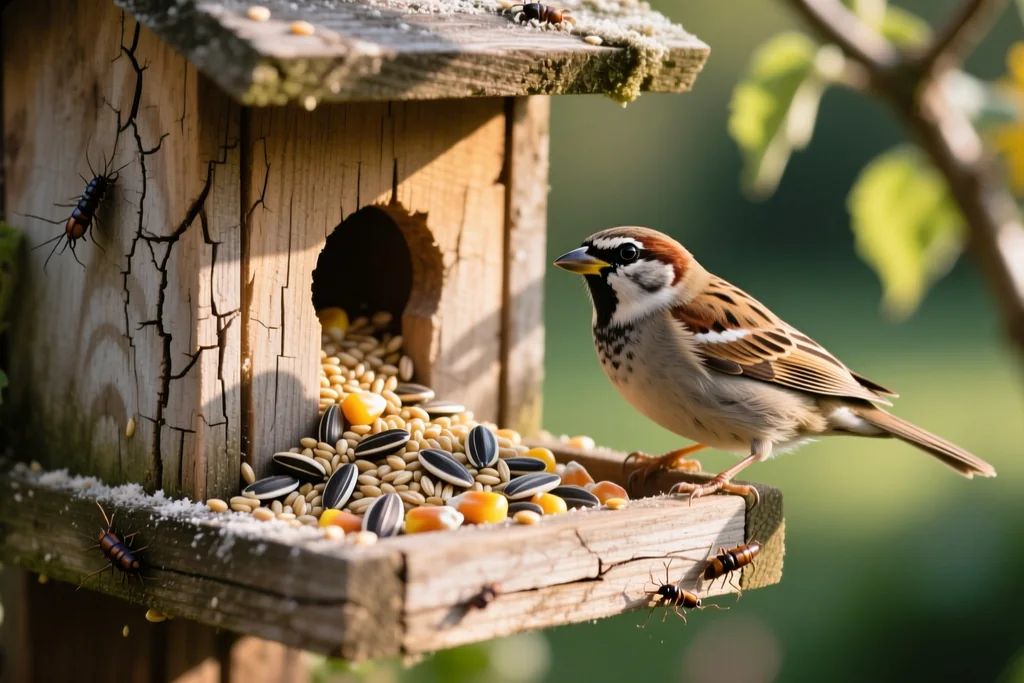
Myth: feeding birds always helps
Feeding can help, but only when it is done well, and careless feeding can do harm. Dirty feeders spread disease, poor food lacks nutrition and an unreliable routine can leave birds dependent. Good intentions are not enough on their own.
The solution is simple hygiene and consistency rather than abandoning feeding altogether. Clean feeders, suitable food and a steady supply turn a risk into a benefit. Done properly, feeding supports birds through hard seasons.
Myth: one person cannot make a difference
A single person may feel powerless against problems that span continents, but that framing misses how conservation works. Almost every scheme, count and campaign is built from small individual contributions. Together they become something far larger.
One garden, one reported trapping site and one reliable volunteer can each tip a local situation. The movement is not a machine run by experts but a network of ordinary people. That is precisely why individuals matter.
Myth: conservation always harms people
Some believe that protecting birds costs people their livelihoods, and the fear is understandable where it is real. Yet well-designed conservation often protects the water, soil and fish that communities depend on. Birds and people usually lose or gain together.
When protection is imposed without local involvement, resistance is predictable and often justified. When communities help shape the plan and share the benefits, protection lasts longer. The myth fades where the work is done well.
Myth: predators are the real problem
Predators are frequently blamed for declines, and it is true that some introduced predators cause serious harm. But in many cases the underlying problem is a habitat or landscape that has been degraded. Removing a predator without fixing the habitat rarely solves anything.
Native predators are part of a healthy system and have their own place in it. The issue is usually imbalance, such as introduced species or a shortage of cover. Targeting the wrong culprit wastes effort that birds cannot spare.
Myth: rare birds are a lost cause
It is tempting to assume that once a bird is rare, nothing can bring it back. History shows otherwise, because species have recovered where the pressure was reduced and the habitat restored. Decline is often reversible if the cause is addressed in time.
Recovery is rarely quick or guaranteed, and it demands patience and resources. But treating rare birds as hopeless becomes a self-fulfilling prophecy. Where the effort is made, the results can be remarkable.
Myth: the law alone is enough
Good laws are essential, yet on their own they protect little. Rules need funding, monitoring and enforcement to make any difference on the ground. A protection that no one enforces is only words on paper.
The table below pairs several common myths with the reality behind them. Together they show why both action and scrutiny are needed. Understanding this keeps effort pointed in the right direction.
| Myth | Reality |
|---|---|
| Birds need no help | Human pressures are new and severe |
| Feeding always helps | Only if clean and consistent |
| One person cannot matter | Conservation is built from small acts |
| Protection harms local people | Shared planning brings shared gains |
| Predators are the main problem | Habitat loss is usually the root |
| Laws alone protect birds | Enforcement is what makes them real |
Why the myths persist
These ideas survive because each contains a grain of truth that makes it easy to believe. They also offer a reason to do nothing, which is their real danger. Naming them is how their hold weakens.
Good information is the antidote, along with visible examples of what works. When people see a wetland recover or a count rise, the myths lose their power. Evidence quietly replaces assumption.
- Question convenient claims about birds.
- Feed birds cleanly or not at all.
- Recognise that small actions add up.
- Look for root causes before blaming predators.
- Support enforcement alongside the laws.
Bird protection is better served by clear thinking than by comfortable sayings. Many of the obstacles are not the problems themselves but the myths that keep people from acting. Once those are set aside, the real work can begin.