
Identifying Birds in the Field
Identifying birds is a skill built from small habits, not from memory tricks. Beginners often try to name a bird instantly and end up guessing, while experienced watchers work through a short set of features. Learning that order is the real shortcut.
This article explains how to identify birds in the field by looking at the features that matter most. It focuses on method rather than on any particular species. Once the method is clear, every bird becomes a fair puzzle.
Start with size and shape
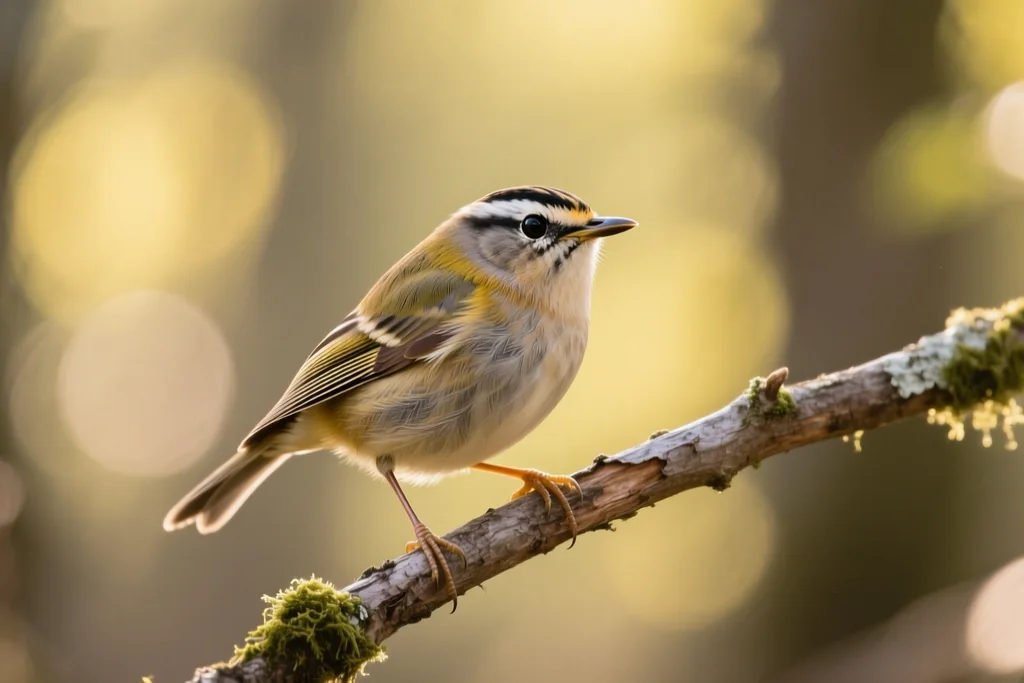
The first thing to note is how big the bird is and what shape it has. Compare its size with a familiar species you know well, such as a sparrow or a crow. Shape tells you a great deal before you even think about colour.
Silhouette is powerful because it holds true even in poor light. A long tail, a heavy bill or a dumpy body narrows the possibilities quickly. Train your eye on outlines first.
Watch behaviour and movement
How a bird behaves is often as useful as how it looks. The way it flies, feeds, hops or sits can point to a whole family of birds. A bird flitting after insects in the air is behaving quite differently from one probing mud.
Movement also helps confirm a guess made from colour, which can be misleading in changing light. Observation over a few moments is worth more than a single glance. Patience turns a puzzle into a pattern.
Look at colour and pattern
Colour is useful once the basics are settled, and the key is to look for specific marks rather than a general impression. Notice the head pattern, the wing bars, the breast and the tail. These details separate birds that look broadly alike.
Age and season affect colour, so a bird may not match a single picture exactly. Juvenile birds often look duller or more streaked than adults. Allow for that variation before deciding.
Bills, legs and posture
The bill is one of the most informative features, because its shape reflects what the bird eats. Short, stout bills crack seeds, while long, thin bills probe for invertebrates. Similarly, leg length hints at the habitat a bird uses.
Posture adds another clue, whether a bird perches upright, clings to bark or wades through shallows. These habits are tied to the bird's way of life. Reading them is part of reading the bird.
Song and calls
Many birds are identified more by sound than by sight, especially in dense cover. Learning a few common songs and calls expands what you can find enormously. Sound reaches birds you would never spot.
Begin with the calls you hear most often and connect them to birds you can actually see. That direct link fixes the sound in memory far better than any recording alone. Over time, an out-of-sight bird becomes a name you know.
Habitat and season
Where and when you see a bird narrows the options before you look closely. Each habitat supports a characteristic set of species, from reedbeds to hedgerows. Season adds another filter, because some birds are present only in summer or winter.
Migration means the expected species can change quickly in spring and autumn. Checking what is around at a given time of year prevents many misidentifications. Context is a form of identification.
Features at a glance
The table below lists the main features to check and what each one tells you. Working through them in order keeps identification calm and logical. No single feature is decisive on its own.
| Feature | What it tells you |
|---|---|
| Size and shape | Broad group of birds |
| Behaviour | Family and habits |
| Colour and pattern | Species and age |
| Bill and legs | Feeding and habitat |
| Song and call | Hidden and distant birds |
| Habitat and season | Which species to expect |
Coping with uncertainty
Not every bird can be identified, and an honest note of what you saw is better than a confident wrong name. Recording the features you did see builds skill for next time. Uncertainty is normal, even for experts.
When two species are genuinely hard to separate, it is fine to write the pair of possibilities down. Returning to the site with more knowledge often resolves the puzzle later. Good note-keeping turns a missed bird into a future certainty.
Building your memory
Identification improves through repetition rather than through study alone. The more often you see a species and name it correctly, the more firmly it lodges in memory. Regular local watching does more for your skill than any single book.
It also helps to group birds by family and learn their shared traits. Once you know what makes a warbler or a wader, new species slot into a familiar pattern. Learning in families is far easier than learning a long flat list.
Mistakes are part of the process, and every wrong guess teaches something useful about what to check next time. Keeping a note of your uncertainties turns them into future learning. Nobody identifies everything correctly, and nobody needs to.
- Judge size by comparing with a familiar species.
- Note behaviour before colour.
- Check the bill and the head pattern closely.
- Learn local songs and calls one at a time.
- Record uncertainty honestly rather than guessing.
Identifying birds is a habit of looking in the right order, not a talent you either have or lack. Each outing adds a few more familiar faces to your memory. With time, the field becomes less of a test and more of a conversation.