
Planting a Garden That Helps Birds
A garden can be far more than a tidy patch of grass, and with a little thought it can become a genuine refuge for birds. What most gardens lack is the food, water and shelter that birds need all year round. Meeting those needs is easier than it sounds.
This article explains how to plant and manage a garden that helps birds, whether you have a large plot or only a balcony. The principles are the same at every scale. What matters most is the mix of food, water and shelter.
Why gardens matter
Towns and cities keep growing, and gardens together form a large area of green space that birds can use. In many places, private gardens hold more habitat than the remaining wild land nearby. That makes them a serious part of conservation rather than a decorative extra.
A well-designed garden also links up with neighbouring green spaces, forming corridors that birds can move through. Even a small patch plays a part in that network. A single garden can matter more than its size suggests.
Think in layers
Birds need different heights for feeding, shelter and nesting, so a garden with several layers supports the most life. Tall trees, smaller trees, shrubs, hedges and ground cover each attract different species. A flat lawn offers far less than a layered border.
Dense shrubs and hedges are especially valuable, because they give cover from predators and weather. A hedge left a little wild and thick is better than a neatly clipped one. Messiness and wildlife value often go together.
Native plants and insects
Native plants support far more insects than imported ornamentals, and insects are the food that feeds most garden birds. Caterpillars, beetles and other invertebrates are the essential link between plants and birds. Choosing native species feeds the whole chain.
Avoiding pesticides is part of the same logic, because poison removes the very food birds depend on. A few nibbled leaves are a small price for a garden full of life. Letting nature work is cheaper and more effective than spraying.
Berries, seeds and natural food
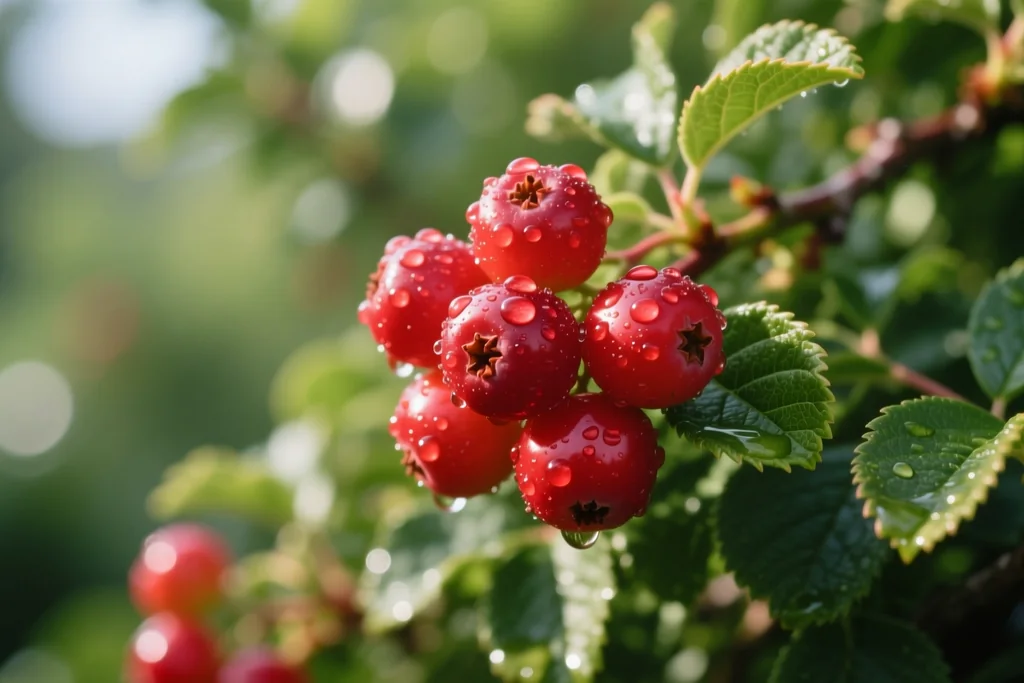
Fruiting shrubs and trees provide food through the colder months when insects are scarce. Berries, seeds and nuts left on the plant offer a natural larder that supplements any feeding you do. Planting for food is a gift that keeps giving.
Supplementary feeding can help, if it is done consistently and hygienically. Clean feeders and good quality food prevent disease, while a reliable routine builds trust. Natural planting and a little feeding together work best.
Water in the garden
Birds need water for drinking and bathing throughout the year, and a shallow dish will do. A small pond with gently sloping edges adds habitat for insects as well as water for birds. Water is especially valuable in hot, dry spells.
Keep the water clean and free of ice in winter, because a frozen or dirty source is little use. A few stones in a dish give birds a safe perch and an escape route. Small details like these make a real difference.
Shelter and nesting places
Safe nesting sites are often the limiting factor in a garden, so dense cover and mature trees are precious. Nest boxes fill the gap where natural cavities are missing, if they are placed and maintained well. A good box is used year after year.
Position boxes away from predators, strong sun and busy paths, and clean them between seasons. Thorny shrubs also make excellent nest sites, because they deter predators while providing cover. A garden that feels safe will be used.
Planting ideas at a glance
The table below groups planting by what it offers birds. The best gardens mix several of these rather than relying on one. Variety across the seasons is the aim.
| Plant group | What it offers |
|---|---|
| Native trees | Nesting, insects and shelter |
| Berry shrubs | Winter food |
| Seed-bearing flowers | Autumn and winter food |
| Dense hedges | Cover and nesting sites |
| Wildflower areas | Insects for feeding |
Things to avoid
Some common garden habits work against birds, and they are easy to change. Pesticides remove food, while tidy pruning strips away nesting cover. Bright external lighting at night disorients birds and disturbs their rest.
Free-ranging cats are another pressure, and keeping them indoors or supervised protects the birds your garden has attracted. Glass can also be made safer with simple markings. A bird-friendly garden is as much about restraint as about planting.
Starting small and building up
You do not need to replant everything at once, and doing too much too fast often leads to disappointment. Begin with one or two changes, such as a native shrub or a shallow water dish. Each season can add a little more.
Watching which changes birds respond to teaches you what your garden needs. Some plants take a year or two to establish, so patience is part of the plan. A garden improves the way a woodland does, slowly.
- Choose native plants that feed local insects.
- Keep a shallow, clean water source all year.
- Leave a corner wild for shelter and nesting.
- Clean feeders and nest boxes regularly.
- Avoid pesticides and excessive night lighting.
Planting for birds is patient work, but the rewards arrive with the seasons. A garden that offers food, water and shelter becomes a living place in constant use. All it takes is a little planning and a willingness to let some of it grow wild.