
A Safe Haven for Wild Birds: Sardinia’s Refuge and Its Patients
In the south-west of Sardinia, among the holm-oak woods of Sulcis, a remarkable idea took shape: a safe haven where wild birds shot, trapped or poisoned by poachers can recover — and where the public can learn why they are worth saving.
A refuge born from the campaign
The "Safe Haven for Wild Birds" initiative grew out of the Leaving is Living campaign led by LIPU (BirdLife in Italy). Public events in Cagliari and across the island invited citizens to visit recovery centres, meet former poachers turned protectors and see rescued birds return to the wild.
Hundreds of schoolchildren and families attended the open days, turning a veterinary facility into a powerful classroom for conservation.
What happens inside the refuge
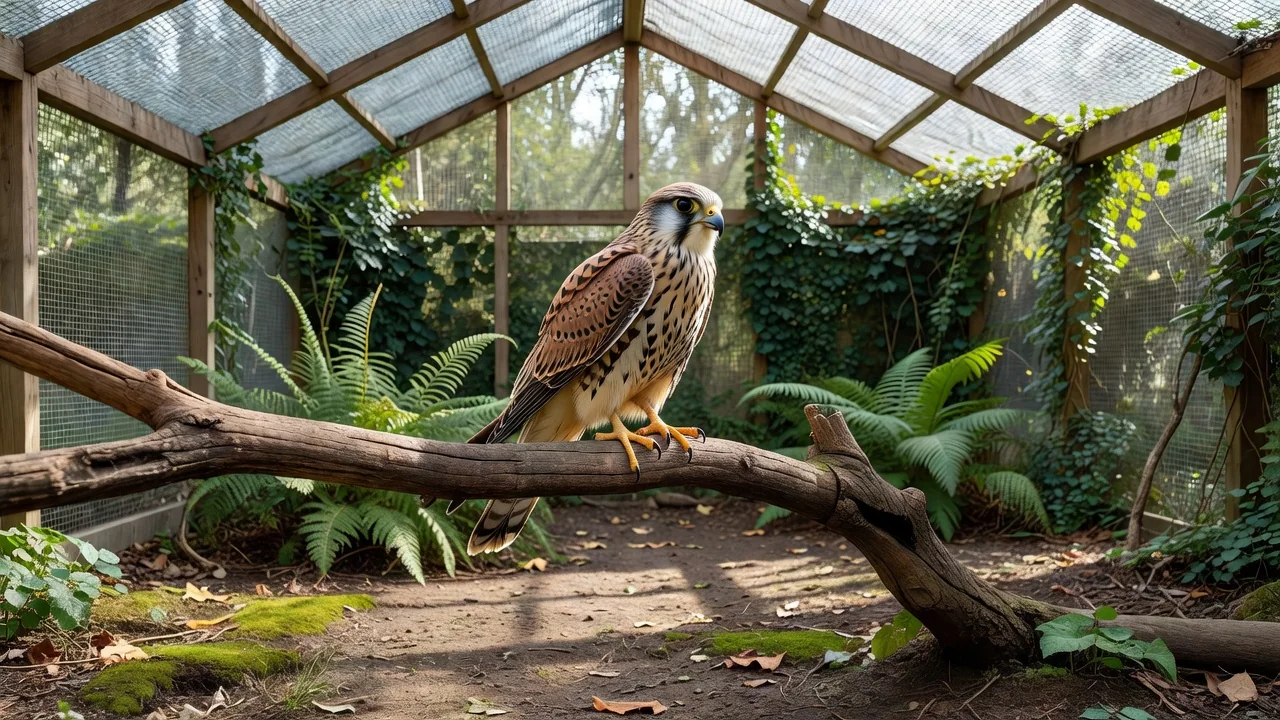
Injured birds arrive from across the island: honey buzzards with gunshot wounds, kestrels tangled in snares, herons poisoned by pesticides. Vets and volunteers treat fractures, remove lead shot and nurse the birds back to flight fitness.
Those that recover fully are released in protected areas; birds that cannot fly again become ambassadors in educational programmes, helping new generations understand the cost of poaching.
A year at the refuge in numbers
| Indicator | Typical season |
|---|---|
| Birds admitted for treatment | 300–500 |
| Most common patients | Raptors, herons, songbirds |
| Released back to the wild | Around half of admissions |
| Visitors on open days | Over 1,000 people |
Why refuges change minds
- They give the public a close encounter with wildlife that statistics cannot.
- Every release event is a media story that keeps poaching in the headlines.
- Rehabilitation data documents the scale of illegal killing for prosecutors.
- Involving local communities builds a network of eyes and ears against poachers.
A model worth copying in 2026
Safe havens like the Sardinian refuge are now being replicated across the Mediterranean. They prove that conservation is not only about laws and patrols — it is also about compassion, education and giving a second chance to every bird that can still fly.