
Bird-Friendly Cities: Small Changes That Help
Cities are not empty of birds, and some of them hold surprisingly rich populations. What urban birds lack is usually not interest but a few simple conditions they need to survive. Small changes in how we build, light and plant can make a genuine difference.
This article gathers the practical steps that help birds in towns and cities, from windows to rooftops. None of them requires a large budget or professional expertise. Most of the ideas below can be tried this season.
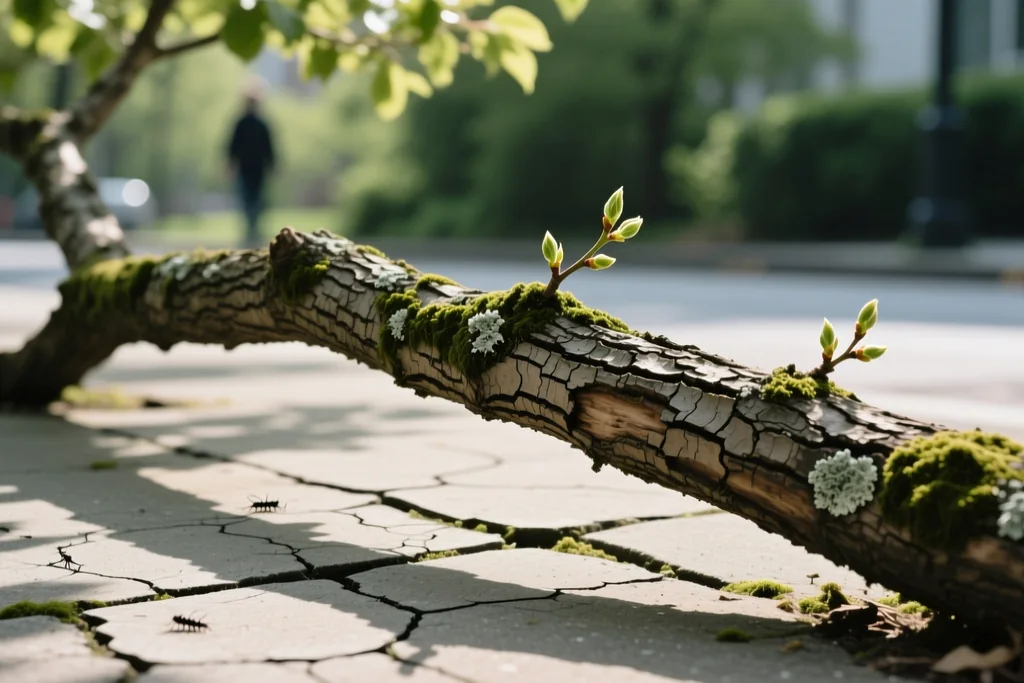
Why birds live in cities
Many birds do well in towns because cities offer warm shelter, few natural predators and reliable food. Parks, gardens, balconies and even cracks in old walls provide nesting space. The result can be a dense and varied urban bird community.
Yet cities also concentrate hazards, so the same place that shelters birds can also kill them. Helping urban birds is largely about reducing those hazards while keeping the advantages. It is a matter of balance rather than of banning nature from the city.
Windows and glass: the hidden killer
Birds do not recognise glass, and they fly towards reflections of sky and trees that look like open space. The collision that follows is often fatal, and it happens at homes as well as at office towers. It is one of the most avoidable causes of urban bird death.
The fix is to break up the reflection so that glass looks solid to a bird. External blinds, decals spaced closely, screens and patterned films all help. Applying them to the outside of the glass is what makes them work.
Turning down the lights at night
Artificial light confuses birds, especially during migration when many travel after dark. Disoriented birds circle lit buildings, exhaust themselves and collide with structures they cannot see. Reducing unnecessary light at night directly reduces these losses.
Simple measures help a great deal, such as switching off decorative lighting and drawing curtains after dark. Movement sensors and warm, shielded lamps also cut the spill of light into the sky. Darker nights are safer nights for travelling birds.
Cats and other predators
Free-ranging cats are among the most serious pressures on urban birds, and the harm is greatest close to the ground. Nestlings, fledglings and ground-feeding birds are especially vulnerable. Keeping cats indoors or supervised outdoors greatly reduces the toll.
Other urban predators matter too, from rats to some corvids attracted by food waste. Managing bins, keeping food scraps out of reach and providing safe nesting sites all help. A tidy city is often a safer city for small birds.
Green space and native planting
Greenery is the foundation of urban bird life, and quality matters as much as quantity. Native trees, shrubs and flowers support far more insects, which in turn feed more birds. A lawn has far less value than a layered border of native plants.
Connecting these green patches is also important, because isolated pockets of habitat limit movement. Hedges, verges, balconies and park corridors together form a network. Even a window box can become part of it.
Nest boxes and bird-friendly buildings
Where natural cavities are scarce, nest boxes give birds somewhere to raise young. Placing them at a safe height, away from predators and direct sun, improves their success. Cleaning them between seasons keeps them healthy.
Buildings can be designed to help birds from the start, with integrated nest bricks and safe ledges. Retrofitting such features into older structures is often straightforward. A bird-friendly building asks for little and gives a great deal.
Solutions at a glance
The table below pairs common urban hazards with the practical response that reduces them. Many of these measures cost very little and can be applied at home. Together they turn a city from a trap into a refuge.
| Hazard | Practical fix |
|---|---|
| Glass collisions | External decals, screens or blinds |
| Light pollution | Switch off unused lights and draw curtains |
| Cat predation | Keep cats indoors or supervised |
| Loss of habitat | Plant native trees, shrubs and flowers |
| Few nest sites | Install and maintain nest boxes |
Water, food and shelter
Birds need water for drinking and bathing all year round, and a shallow dish is often enough. A small pond with gently sloping edges adds habitat for insects as well as for birds. Clean water is especially valuable in hot, dry spells.
Feeding can help too, if it is done consistently and kept clean to avoid disease. Mixed food suited to local species and a reliable routine are safer than occasional generosity. Shelter in the form of dense shrubs adds the third essential element.
- Make glass visible to birds with external markings.
- Reduce outdoor lighting, especially during migration.
- Plant native species that support insects.
- Provide clean water and safe nesting places.
- Keep cats supervised and bins securely closed.
Bird-friendly cities are created one small decision at a time, by residents as much as by planners. Each safe window and native border adds to a network that supports wildlife in the middle of human life. A city that works for birds works better for us as well.