
Wild Birds of the Mediterranean Under Threat: Who Protects Them and How
The Mediterranean basin is one of the world's great crossroads for wild birds — and one of the most dangerous. Every year millions of migratory birds cross the sea between Europe and Africa, facing illegal shooting, trapping, poisoned baits and disappearing wetlands along the way.
A flyway under pressure
The Black Sea–Mediterranean flyway carries storks, raptors, passerines and waterfowl between their breeding and wintering grounds. On islands and coastal bottlenecks the birds concentrate in huge numbers — exactly where they are most vulnerable to illegal killing.
Beyond direct persecution, the region's wetlands are drained for tourism and agriculture, while plastic pollution and overfishing degrade the marine food web that seabirds depend on.
The main threats at a glance
- Illegal shooting of protected raptors and songbirds during migration.
- Mist nets, lime sticks and snap traps set for songbirds.
- Poisoned baits laid for predators that also kill vultures and eagles.
- Drainage and degradation of coastal wetlands and salt pans.
- Electrocution and collision with poorly designed power lines.
Who protects the birds
BirdLife International partners across the region — LIPU in Italy, HOS in Greece, SEO/BirdLife in Spain and many others — run monitoring camps, anti-poaching patrols and rehabilitation centres. National wildlife crime units and the EU's environmental legislation give their work legal teeth.
The LIFE programme of the European Union funds cross-border projects such as "Leaving is Living", which combined field patrols, sniffer-dog units and public campaigns to cut illegal bird killing around the Mediterranean.
Key Mediterranean species and their status
| Species | Main threat | Protection effort |
|---|---|---|
| European Honey Buzzard | Illegal shooting on migration | Anti-poaching camps, patrols |
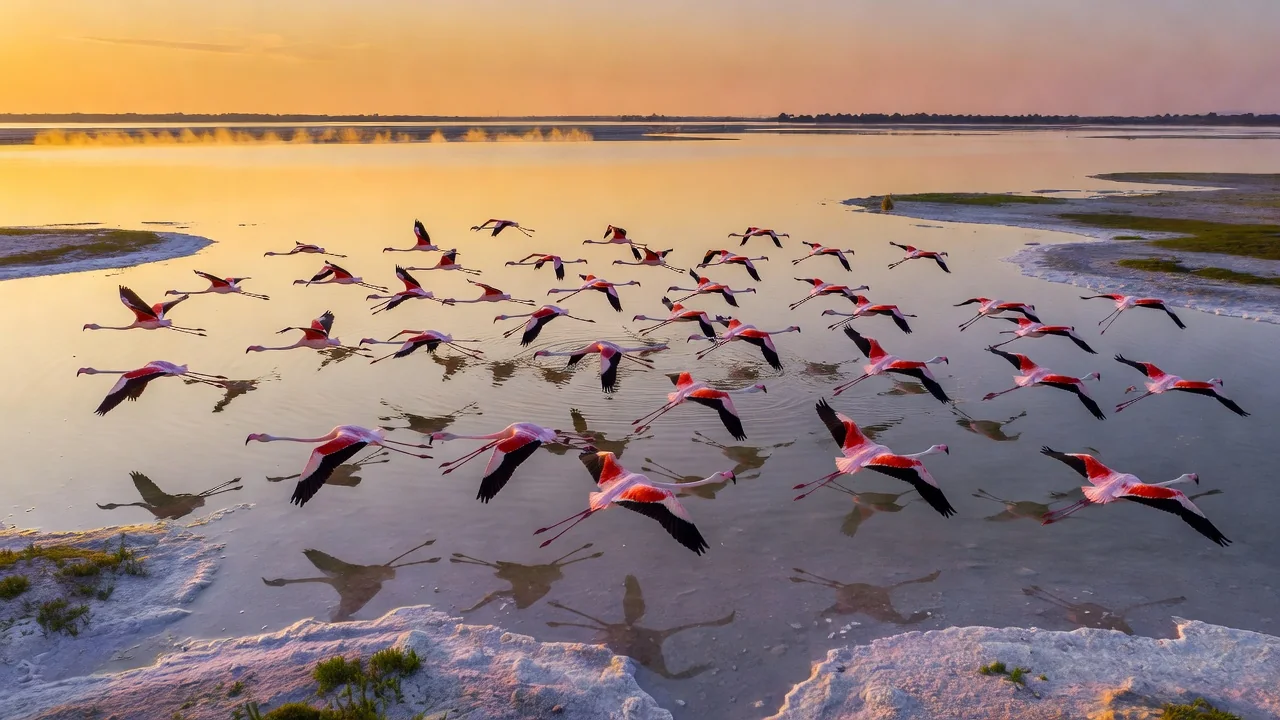
| Greater Flamingo | Wetland drainage | Lagoon reserves, monitoring |
| Eleonora's Falcon | Disturbance on nesting islets | Wardening of colonies |
| Audouin's Gull | Overfishing, bycatch | Marine protected areas |
| Egyptian Vulture | Poisoned baits | Anti-poison dog units |
What works — and what you can do
Where patrols, dog units and courts work together, illegal killing drops measurably. Public reporting hotlines, satellite tagging and tougher sentencing have all proven their worth in recent seasons.
In 2026 the most effective help remains simple: report illegal traps and shooting to local BirdLife partners, support wetland reserves, and spread the word that migratory birds belong to everyone — and to no one.