
Protecting Wetlands for Birds
Wetlands are among the most productive habitats on earth and among the most threatened. For birds they are feeding grounds, nurseries, roosts and vital stops on migration. Protecting them is one of the highest-value acts in conservation, because so many species depend on them at some point in the year.
This article explains why wetlands matter to birds and what practical protection looks like in the field. The encouraging part is that wetlands often recover quickly once the pressure on them eases. That resilience is worth remembering when a site looks beyond repair.
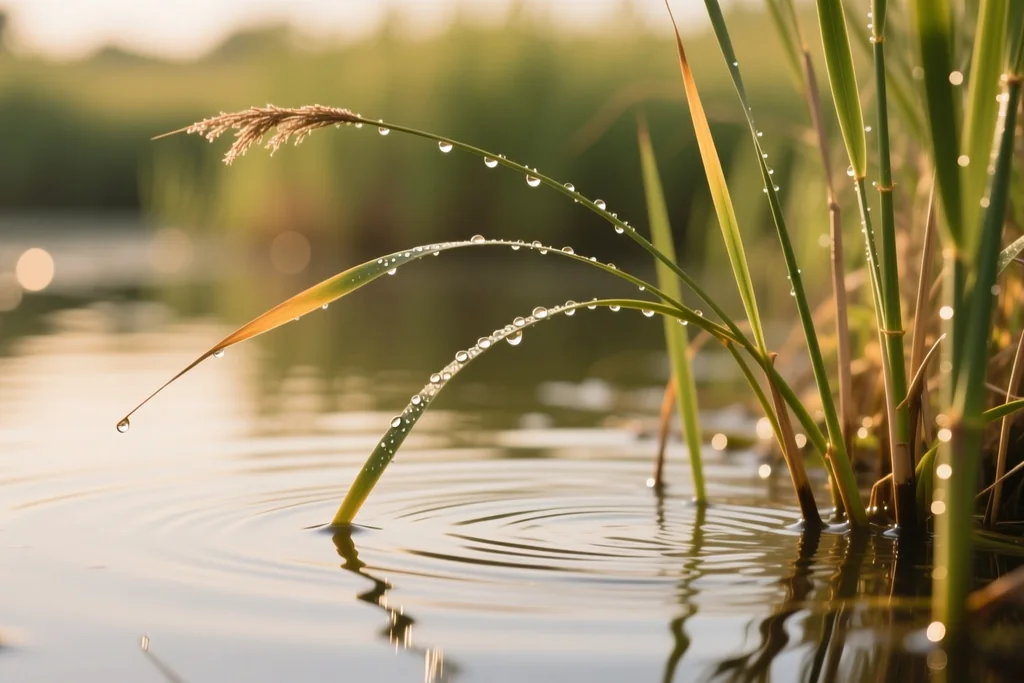
What makes a wetland valuable for birds
A wetland is not simply a body of water, but a whole system of shallow pools, mudflats, reeds and damp grassland. Each part offers something different, from open water for diving ducks to soft mud full of invertebrates for waders. The variety is what makes these places so rich.
Shallow, gentle edges are especially important, because that is where most food is found. A lake with steep concrete banks may look tidy but supports far fewer birds than a messy, gently sloping shore. Protecting birds often means protecting the untidy margins.
The many kinds of wetland
Wetlands take many forms, and each attracts different birds. Coastal mudflats, marshes, floodplain meadows, peat bogs and small ponds all belong to the same broad family. Recognising the type is the first step to protecting the right one.
The table below sets out some common wetland types and what each offers birds. It also hints at why a single site can matter far beyond its own boundary. The variety is the point, and it is worth protecting in full.
| Wetland type | Birds it supports | Key value |
|---|---|---|
| Coastal mudflat | Waders and shelducks | Feeding at low tide |
| Freshwater marsh | Reedbed warblers, rails | Nesting and cover |
| Floodplain meadow | Waders, ducks, geese | Spring feeding and nesting |
| Shallow lake and pond | Dabbling ducks, grebes | Resting and feeding |
| Peat bog | Curlews, raptors | Breeding and water storage |
Why wetlands keep disappearing
The pressures on wetlands are old and familiar, which makes them all the more stubborn. Land is drained for farming or building, rivers are straightened, and water is taken away for other uses. Pollution and disturbance finish what drainage begins.
Because wetlands often look like waste ground to the untrained eye, they are easy to fill in without much public objection. That perception is itself a threat. Teaching people what a marsh is really doing is part of protecting it.
Staging posts on the great journeys
For migratory birds, wetlands are not a destination but a chain of refuelling stops. A bird crossing a continent needs somewhere safe to rest and feed every so often along the way. Break one link in that chain and the whole journey becomes harder.
This is why wetland protection has to be planned across borders. A string of protected sites within one country means little if the next stopover lies drained and bare. Flyway thinking turns a local action into a continental one.
What protection actually looks like
Protection ranges from legal designation to simple, patient management. At its core it means keeping water levels suitable, limiting disturbance and controlling pollution. Often the most useful work is quiet and repetitive rather than dramatic.
Managing water is the central skill, because too much or too little at the wrong season ruins a site. Birds need shallow water in spring and exposed mud in late summer, and managers adjust levels to suit. Good wetland management is largely the art of timing.
Bringing a drained wetland back
Restoration begins by restoring the water, which can be as simple as blocking a ditch or removing a pipe. Once the water returns, plants and invertebrates often follow faster than expected. Birds are usually not far behind.
Reconnecting a river to its floodplain is one of the most powerful restoration moves, because it lets the whole system breathe again. Flood water spreads, silt settles and the seasonal rhythms that birds rely on return. What looks like a loss of control is often a gain in life.
Wetlands that work for people too
Intact wetlands store water, soften floods, filter pollution and support fisheries, so their value reaches far beyond birds. Framing protection in those terms wins allies who would never call themselves birdwatchers. A wetland is infrastructure as much as it is wildlife.
This is why the strongest wetland projects work with farmers, fishers and local councils from the outset. When a community depends on a wetland, it also defends it. Shared interest is the most durable form of protection.
- Support legal protection and management of local wetlands.
- Keep visits to the edges and avoid disturbing roosting birds.
- Never release unwanted pets or plants into ponds or marshes.
- Report pollution, drainage or illegal filling to the authorities.
- Join a local wetland group and help with counts and clean-ups.
Wetlands reward care quickly, which is what makes them such good places to start. Protect the water, the mud and the margins, and the birds will often do the rest. Few conservation investments return so much for so little.